



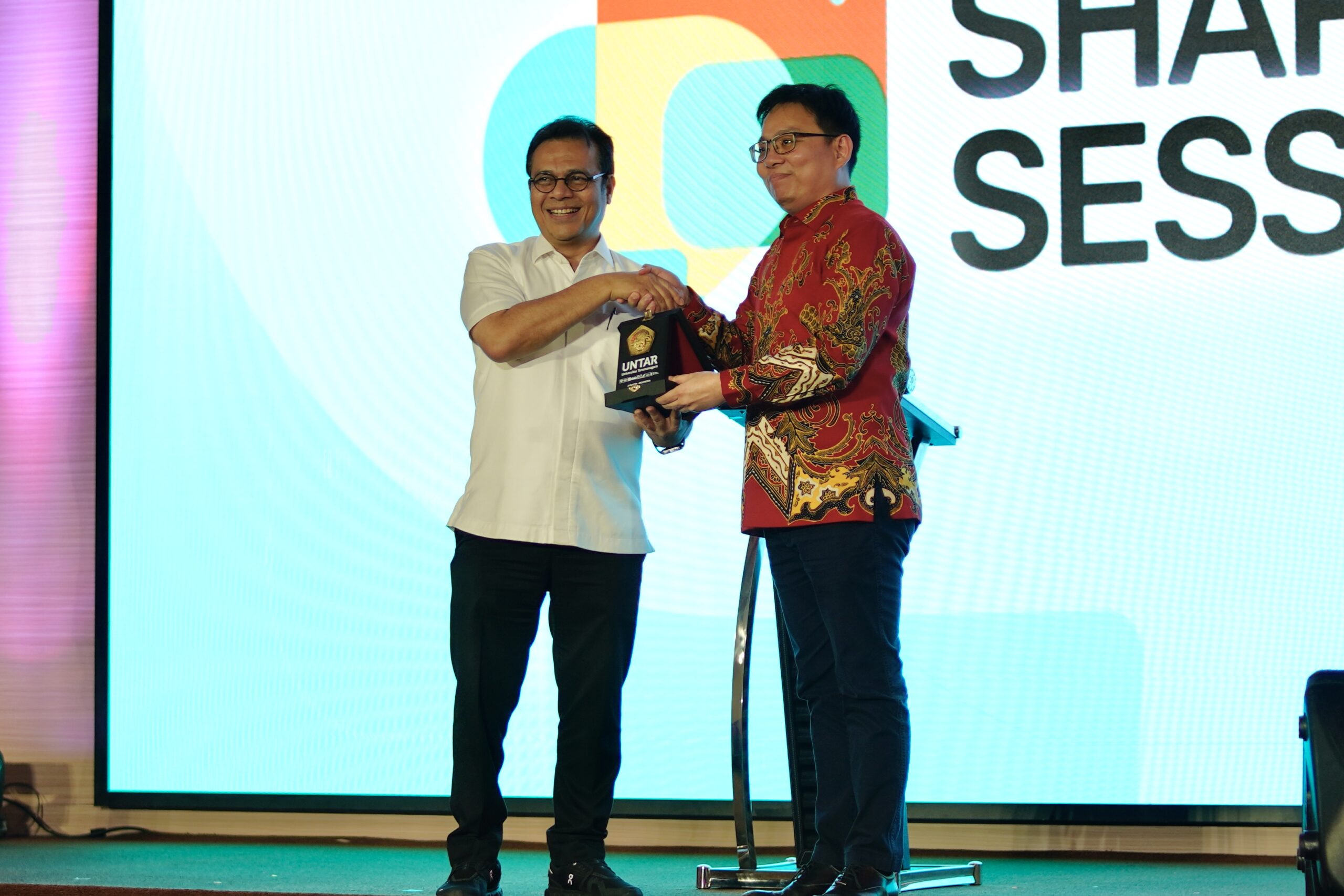
Source: Untar Public Relations – VC
As part of the iNews Campus Connect (ICC) series of events, the SINDO Sharing Session served as the third session held on Wednesday (26/11/2025) at Campus I Universitas Tarumanagara. Carrying the theme “Bijak Bermedia Sosial: Cara Ampuh Tangkal Hoaks”, the session discussed the threats posed by false information and the possible solutions amid the rapidly expanding digital landscape.
Vice Minister of Communication and Digital Affairs (Komdigi), Nezar Patria, stated that Indonesia is currently undergoing an intense wave of digital transformation. He emphasized that hoaxes are not only an informational threat but also a social threat due to their ability to rapidly shape public perception through social media.
“Digital literacy is positively correlated with a person’s ability to distinguish between true and false news,” Nezar said. He explained that the Ministry of Communication and Digital Affairs continues to implement digital literacy programs as a fundamental foundation for the public to recognize hoaxes, misinformation, and disinformation.
The discussion also featured Social Media Expert Eda Nasution, Senior Editor and Fact-Checking Team Member of AJI Jakarta Asnil Bambani, and Head of the Communication Studies Program of Universitas Tarumanagara Dr. Sinta Paramita, S.I.P., M.A. The speakers highlighted how hoaxes in the fast-paced digital ecosystem can influence public opinion, create information distortion, and damage the public sphere.
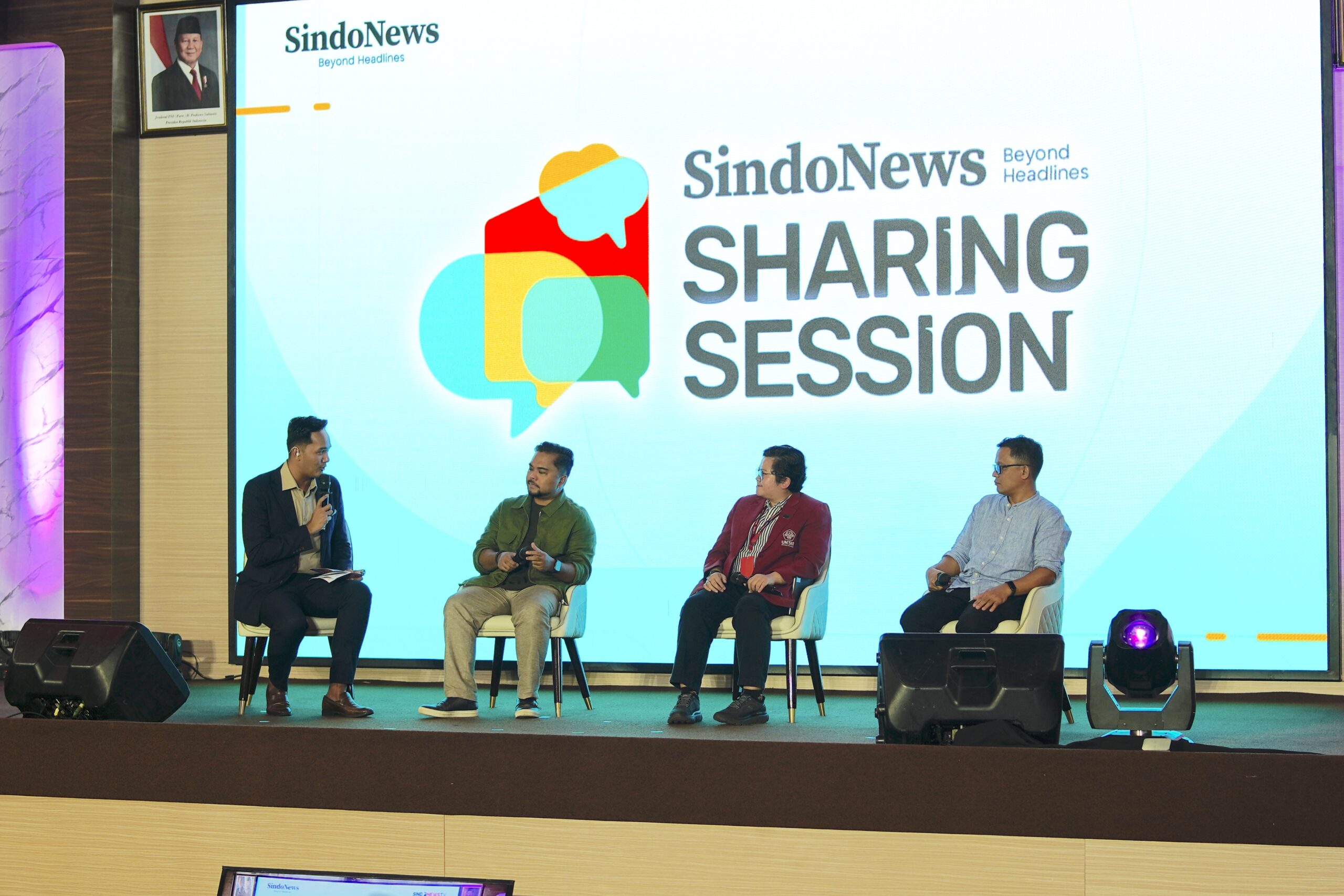
The speakers at the SindoNews Sharing Session on the same occasion // Doc: Untar Public Relations – VC
Asnil Bambani explained that hoaxes are often packaged as solutions, making them misleading to audiences. He referred to hoaxes as an “information virus” due to their ability to spread and continuously circulate from one group of society to another.
Eda Nasution added that hoaxes come in various forms and do not all carry the same level of danger. According to her, public awareness of hoaxes has improved over time, but continuous education remains essential so that people can identify false information more quickly.
Meanwhile, Dr. Sinta Paramita stated that disinformation has become one of the main focuses in communication studies research. She expressed hope that in the future, more cross-stakeholder collaborations will emerge to develop innovations, including applications or systems for detecting false information. Collective efforts are considered essential to maintaining a healthy and trustworthy digital space.
Through this event, the speakers agreed that digital literacy and collective awareness are strategic steps in countering the rapid spread of hoaxes driven by social media algorithms. (VC/YS)