



Source: iStock.Photo
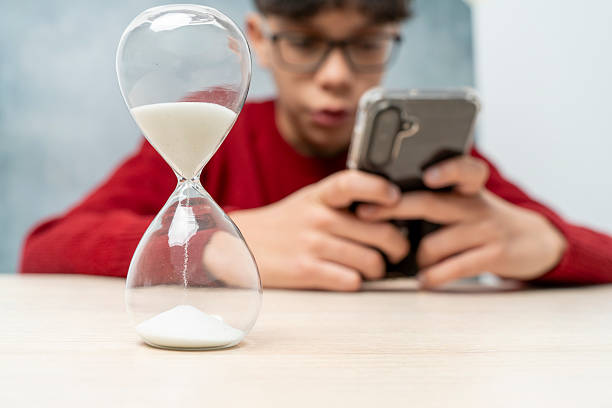
Laptops, smartphones, and tablets have become part of students’ daily lives. Digital devices are used for attending classes, completing assignments, finding information, communicating, and entertainment. This makes screen time, or the amount of time spent in front of screens, something that needs to be managed wisely.
Lecturer at the Faculty of Psychology Universitas Tarumanagara (Untar) Denrich Suryadi, M.Psi., Psikolog, said that screen time is not determined solely by how long someone uses a digital device. The purpose, type of activity, and patterns of use also need to be considered.
Screen use for academic activities, for example, differs from its use for entertainment. Problems may arise when digital device use becomes difficult to control and begins to interfere with daily activities.
According to Denrich, excessive screen use, particularly for non-academic activities, can affect concentration. The habit of checking notifications or switching between applications can divide attention, making the learning process less effective.
Problematic device use may also be associated with emotional conditions, including anxiety, depressive symptoms, and difficulties with emotional regulation. Conversely, emotional distress may also lead someone to use digital devices more frequently as a way to distract themselves or cope with pressure.
Other impacts may be seen in academic activities. Uncontrolled screen time can potentially reduce study time, disrupt sleep quality, and affect the ability to maintain focus.
The habit of using digital devices before bedtime also needs attention, as it can reduce both the amount and quality of rest. Meanwhile, simple activities such as briefly checking social media can last longer than planned, reducing the time available for completing assignments or studying.
“What needs to be considered is not only the duration, but also the purpose, content, and patterns of screen use,” said Denrich.
No Single Limit for Everyone
So, how much screen time is ideal for students?
Denrich explained that there is no single time limit that applies equally to every student. More importantly, students should pay attention to whether digital device use begins to come at the expense of basic needs, such as adequate sleep, physical activity, academic activities, and social interaction.
Therefore, managing screen time is not simply about counting the number of hours spent using a device. Students can start developing healthier digital habits by setting a purpose before using a device, turning off unnecessary notifications, and taking regular breaks when using screens for extended periods.
Device-free time can also be established, such as during meals or before bedtime. Some of the time normally spent on digital entertainment can be redirected toward physical activities or direct interaction with others.
Students can also regularly evaluate their device use by distinguishing between time spent on academic activities and entertainment. This can help them recognize their digital usage patterns in daily life.
If device use becomes difficult to control to the point that it interferes with daily activities and is associated with difficulties in self-regulation, Denrich recommends consulting a professional psychologist.
Ultimately, managing screen time does not mean avoiding technology. Digital devices continue to play an important role in students’ lives. The challenge is to use technology consciously and purposefully so that it continues to support learning and daily activities without compromising concentration, productivity, sleep quality, and psychological well-being.
This article is presented from a psychological perspective for educational and digital literacy purposes among students and is not a substitute for professional mental health consultation.
(VC/YS)