



Source: iStockPhoto
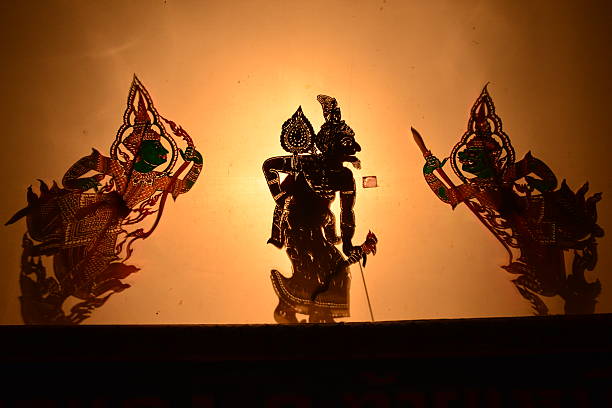
Behind a screen of white cloth, known as a kelir, the shadows of wayang characters move with the puppeteer’s hands. The sounds of gamelan music accompany stories of life, courage, loyalty, and the struggle between good and evil. More than just a performance, wayang serves as a medium for conveying life values passed down from one generation to the next.
For around ten centuries, this performing art, which originated in Java, has been part of life in the Indonesian archipelago. Wayang developed not only in the royal courts of Java and Bali but also spread to various regions, including Madura, Lombok, Sumatra, and Kalimantan. Over time, each region developed its own distinctive performance styles and musical accompaniment.
Wayang’s long history received international recognition on November 7, 2003, when the United Nations Educational, Scientific and Cultural Organization (UNESCO) designated it a Masterpiece of the Oral and Intangible Heritage of Humanity. In 2008, wayang was included in UNESCO’s Representative List of the Intangible Cultural Heritage of Humanity.
This recognition became one of the reasons the Indonesian government designated November 7 as National Wayang Day through Presidential Decree No. 30 of 2018, signed by President Joko Widodo on December 17, 2018.
Beyond this international recognition, the richness of wayang lies not only in its forms and performance techniques. Its stories draw on various sources, ranging from local mythology and Indian epics such as the Mahabharata and Ramayana to Persian heroic tales.
Through its characters and stories, wayang portrays human nature, social relationships, and issues of power. Humor delivered through certain characters also often serves as a means of social criticism. The puppeteer, or dalang, does more than bring the characters to life; they also convey moral messages that remain relevant to society.
However, wayang’s journey has not been without challenges. Changing entertainment preferences and technological developments require this traditional art form to find new ways to reach younger generations without losing its distinctive character.
For university students and young people, National Wayang Day is an opportunity to rediscover this cultural heritage. Preservation should go beyond taking pride in its international recognition. It should also encourage people to learn about wayang, watch performances, and introduce it to a wider audience.
After all, cultural heritage lives on through more than just remembrance. Wayang will remain part of people’s lives as long as its stories and values continue to be passed down, understood, and given meaning by each generation. (CJ/YS)